




North-west Iran
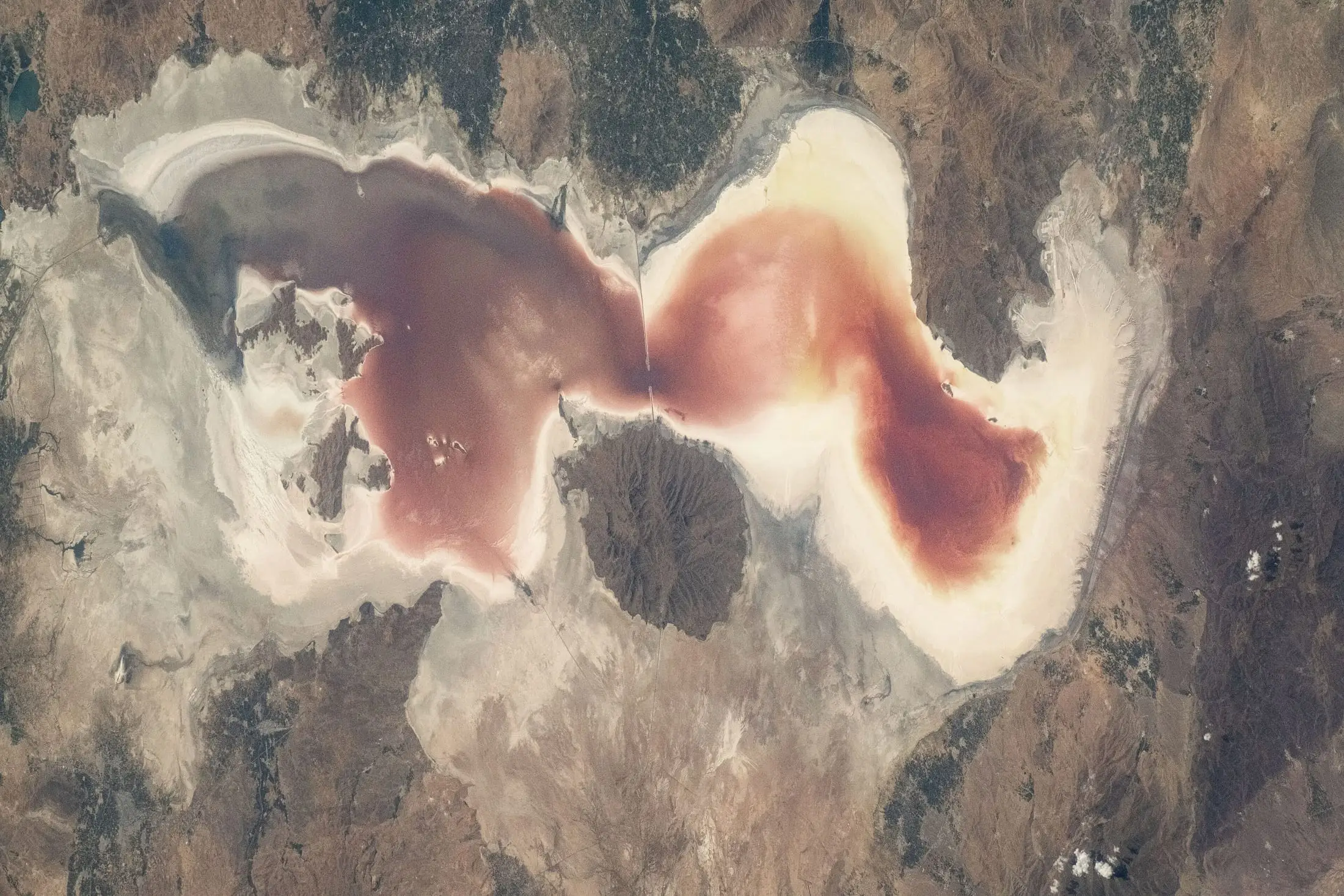
Lake Urmia
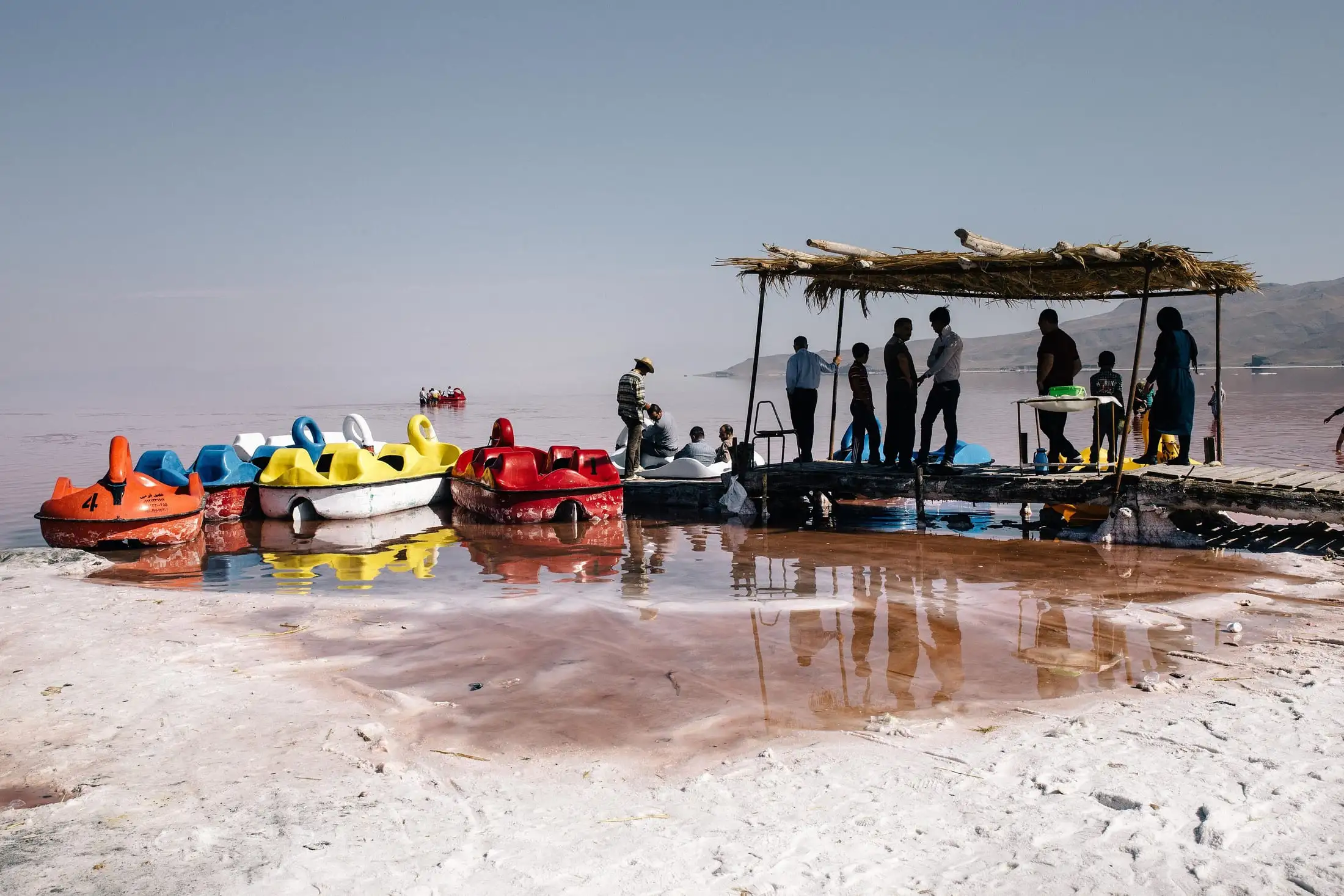
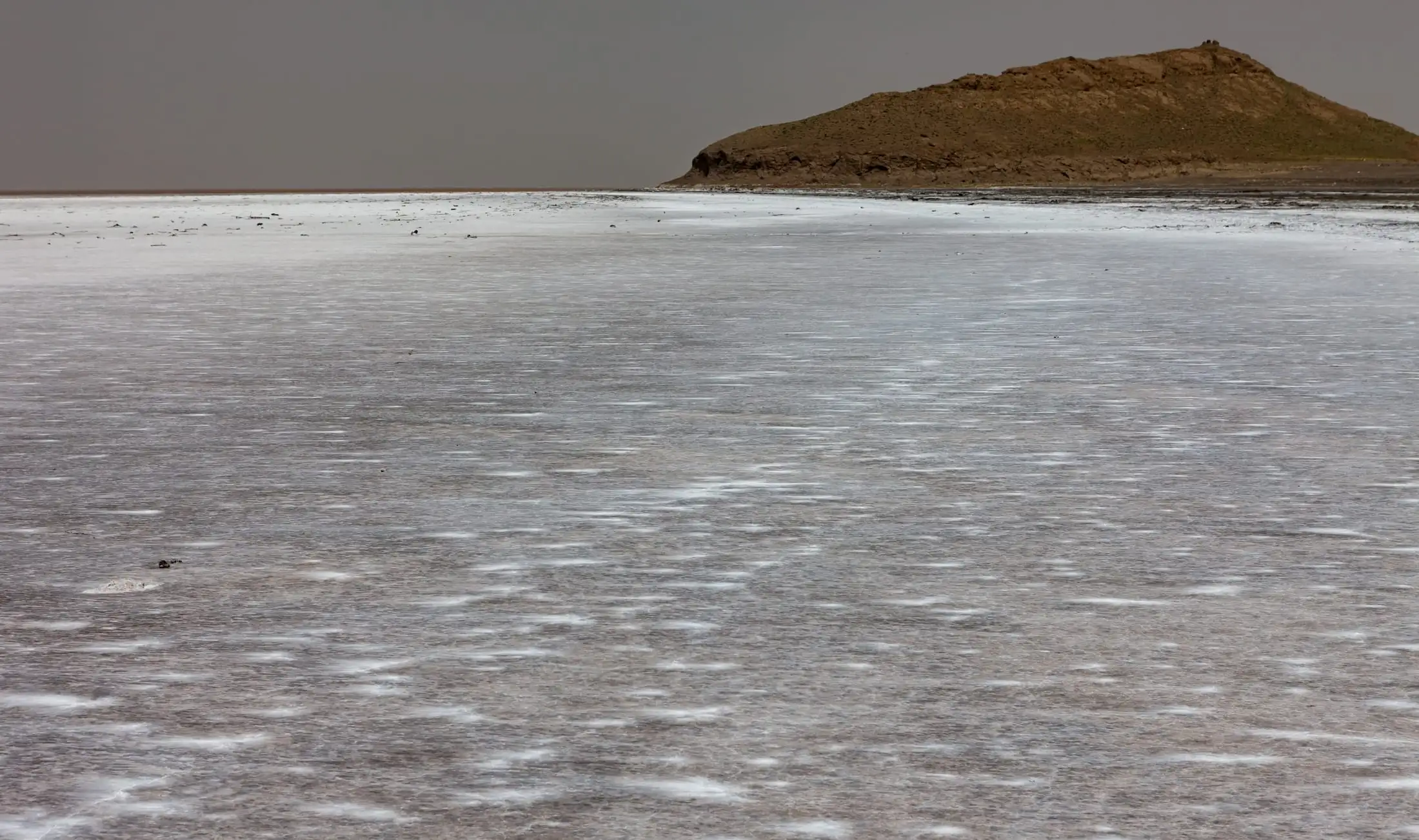
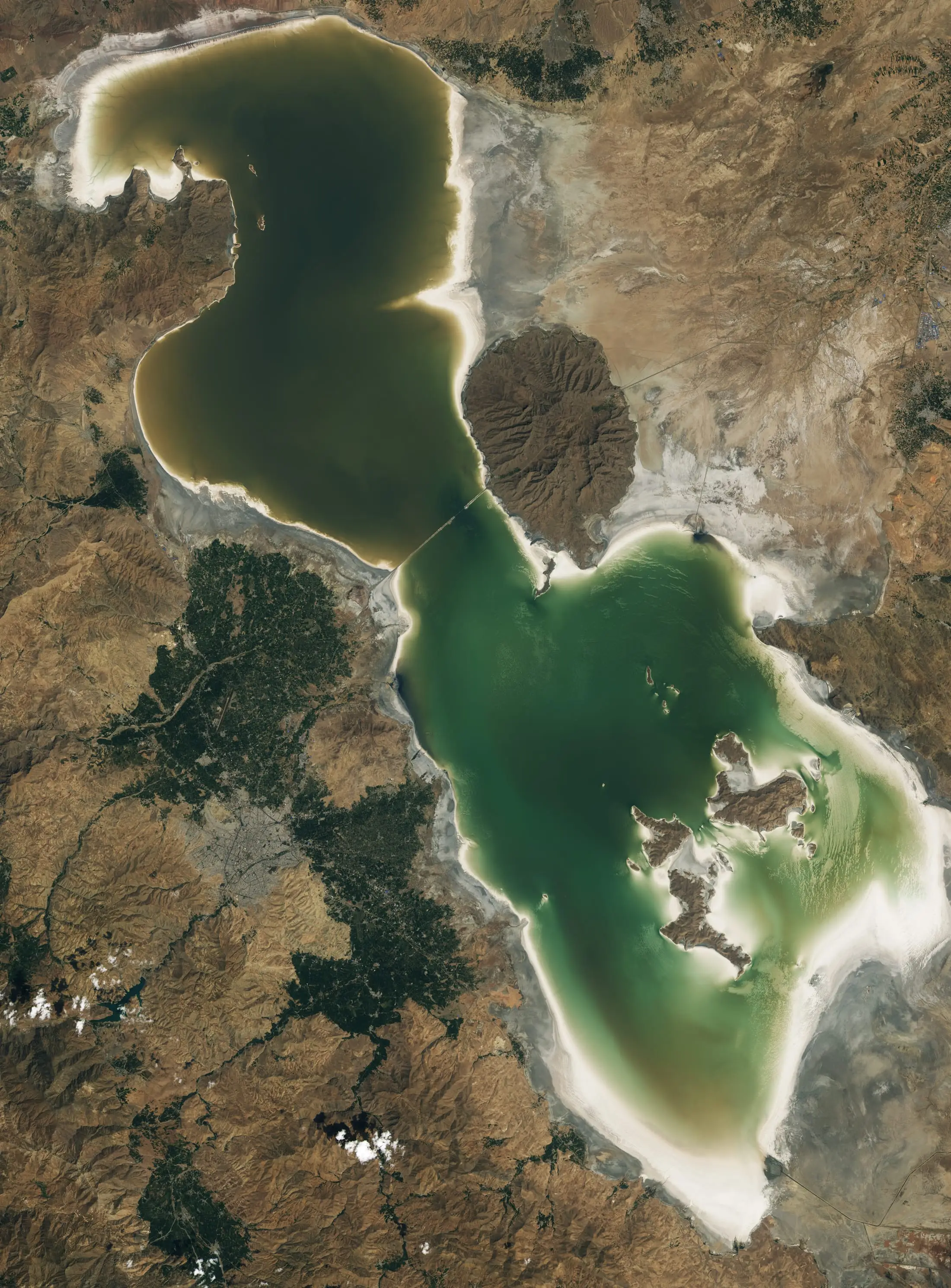
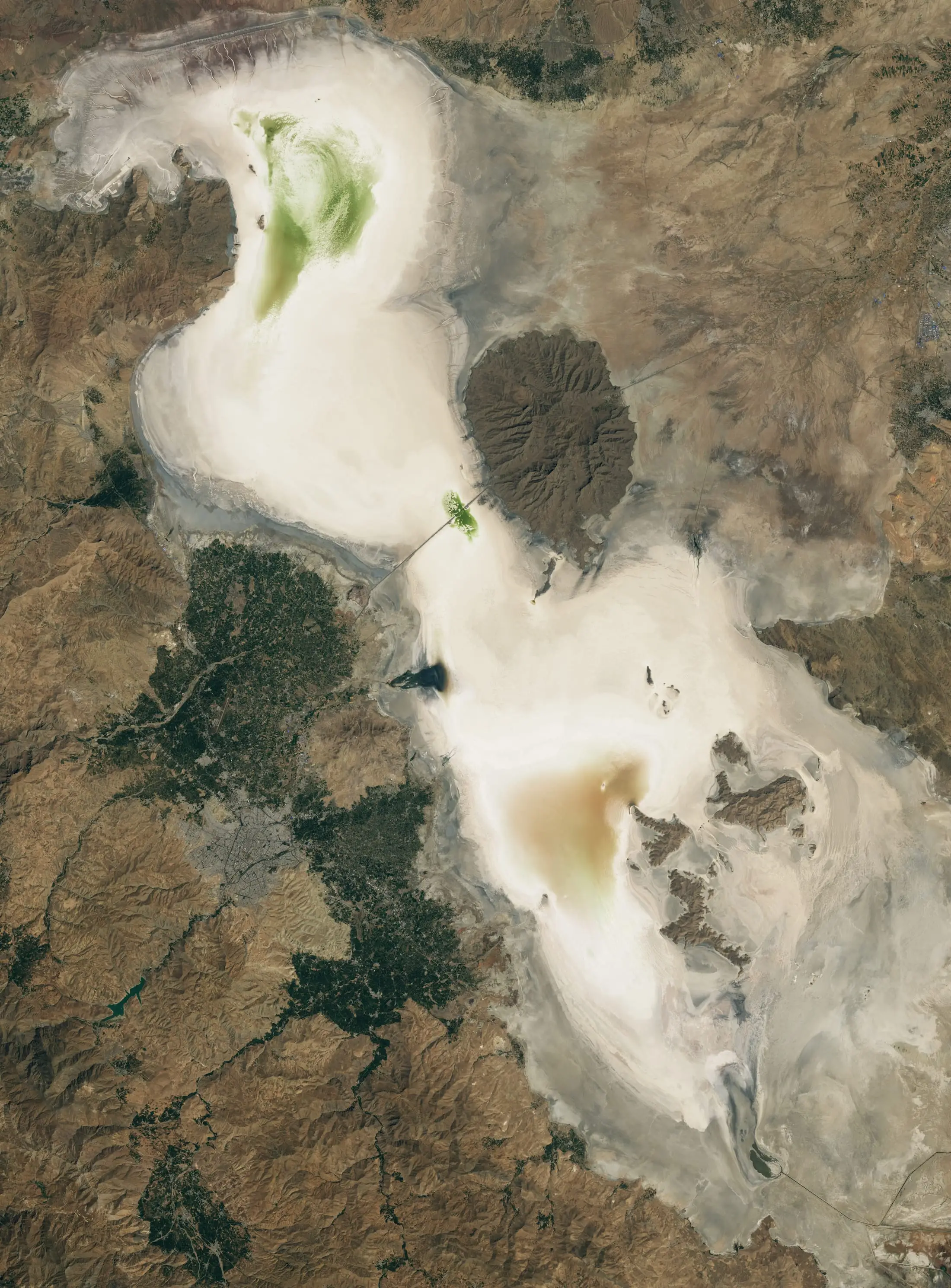
Once one of the largest saltwater lakes on Earth. Reduced rainfall and water extraction for farming have turned much of it into salt flat.

 HERA — Home
 English EN
Research · Education · Accountability
When rivers run dry and wetlands disappear, people do not simply “migrate” — they are displaced. HERA uses evidence to ask why, and who should answer for it.
When the land fails, people move. We ask why.
HERA was founded in Canada in October 2026 to study and explain one of the defining links of our time: the relationship between environmental conditions and human displacement — and the human rights and accountability questions that sit between them.
Why HERA
0million
internal displacements triggered by disasters in 2024 — the highest ever recorded.
up to0%
of the world’s land is already degraded, putting half of global GDP at risk.
0million
people could be forced to move within their own countries by 2050 because of climate change.
about0%
of Lake Urmia’s surface area was lost in the two decades after its 1995 high-water mark.
Source: NASA Earth Observatory (2023)
Before and after
Drag the handle to see Lake Urmia, in north-western Iran, in September 2020 and in September 2023. Wet years in 2018–2019 briefly refilled the lake; by autumn 2023 it had nearly dried out again.
Four pillars
Each letter of HERA is one of the areas we work on.
Human rights, dignity and the testimony of displaced people. They own their stories — they are not just subjects of research.
Data and research on the degradation of water, soil, air and wetlands, and on the impacts of a changing climate.
Knowledge and education for communities living through crisis — and for the future that can still be built.
Following the evidence to the decisions behind environmental harm, and naming who is responsible — with proof.
First research focus
HERA’s mandate is global. Our first research programme begins in Iran and the wider region — where environmental collapse and the absence of accountability reinforce each other.
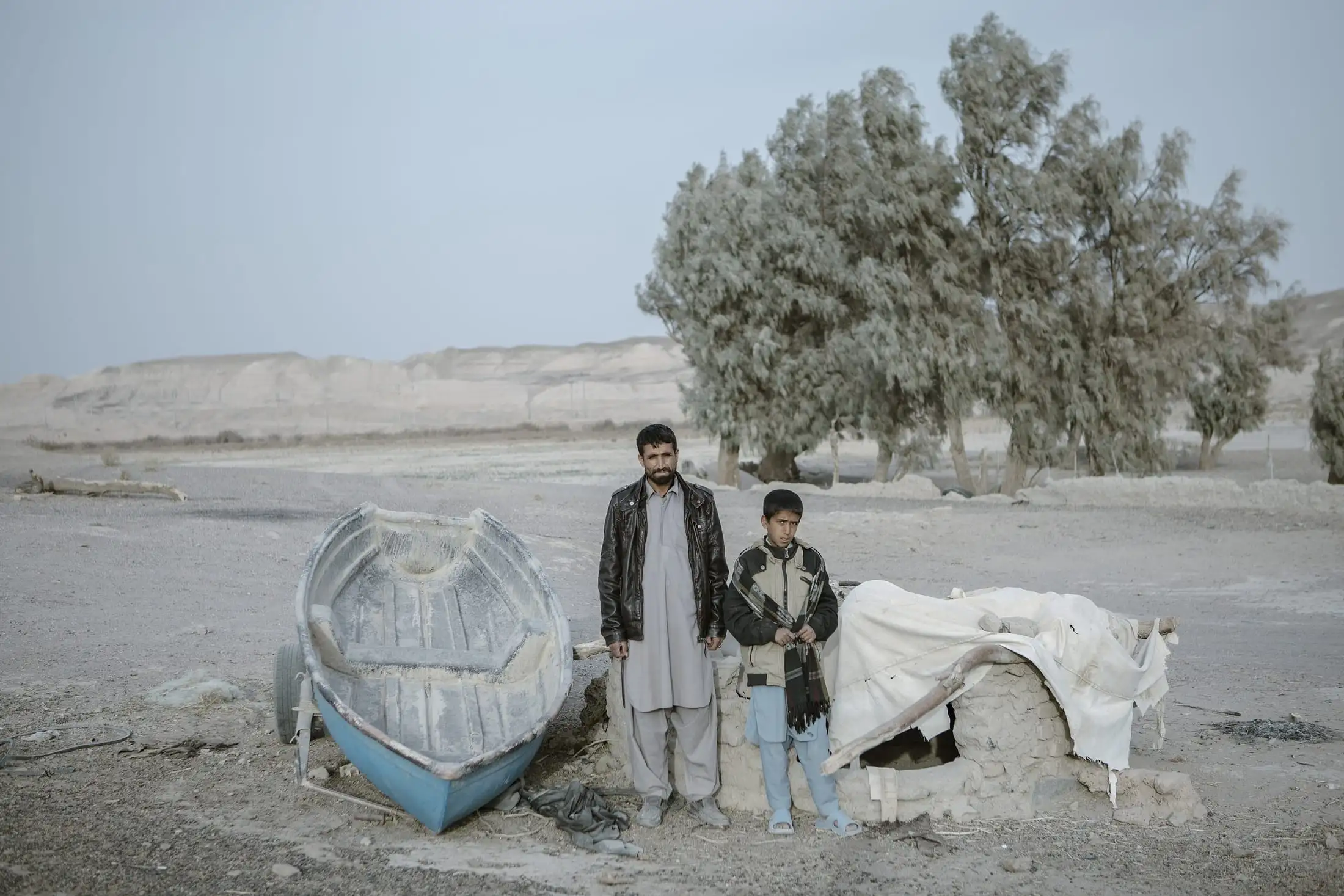
Once one of the largest saltwater lakes on Earth. Reduced rainfall and water extraction for farming have turned much of it into salt flat.
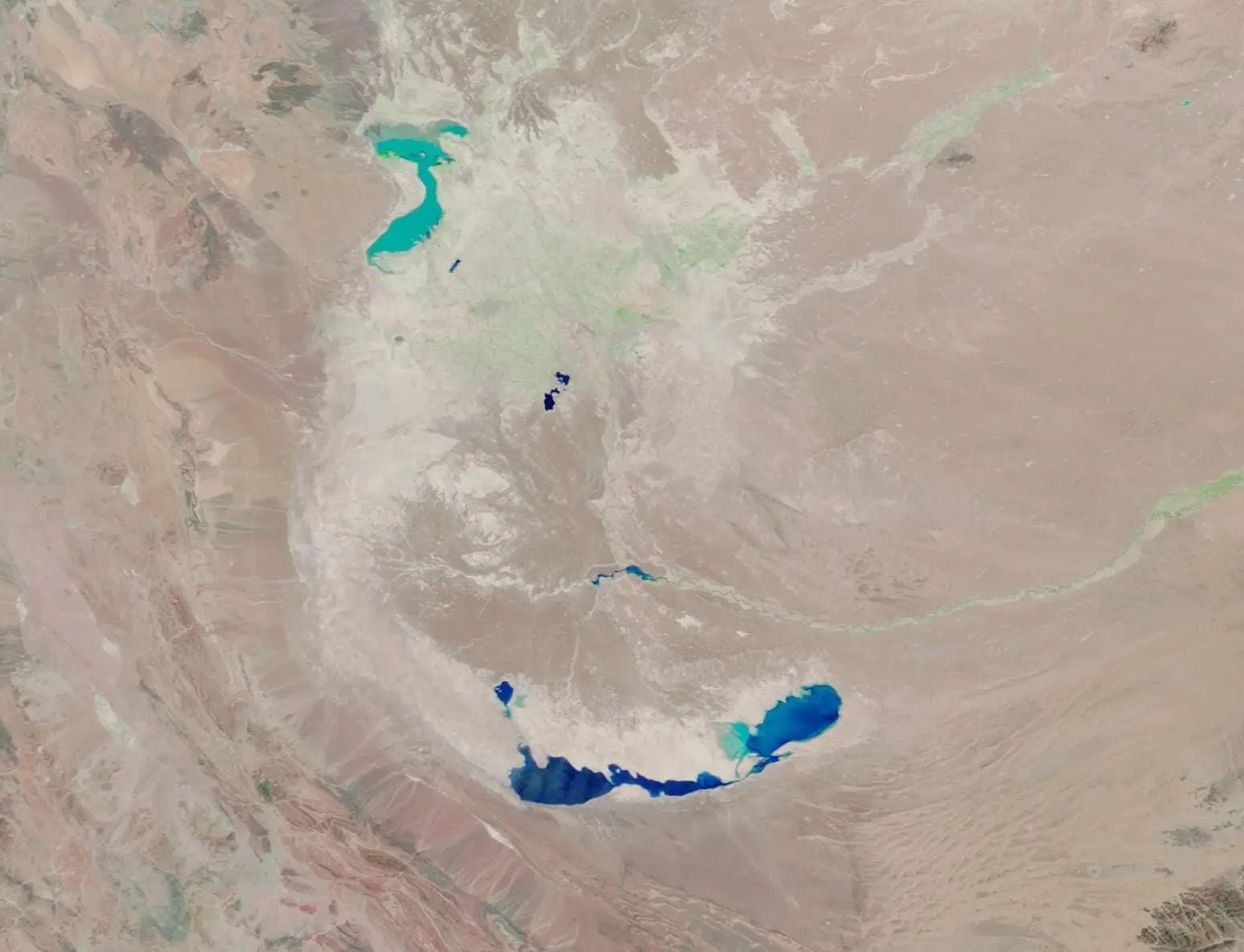
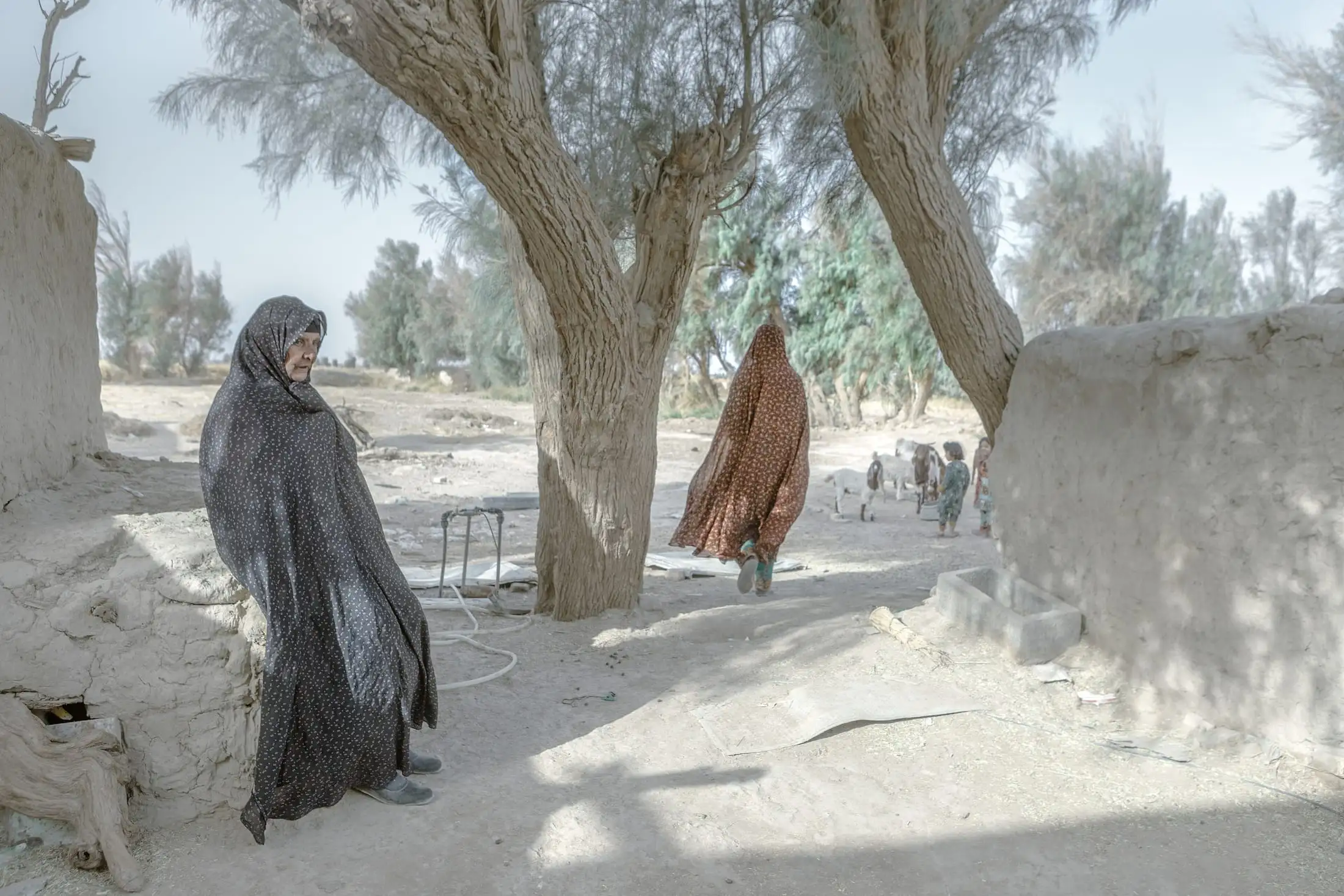
Fed mainly by the Helmand River, the Hamoun lakes have dried out repeatedly since the severe drought at the end of the 1990s.
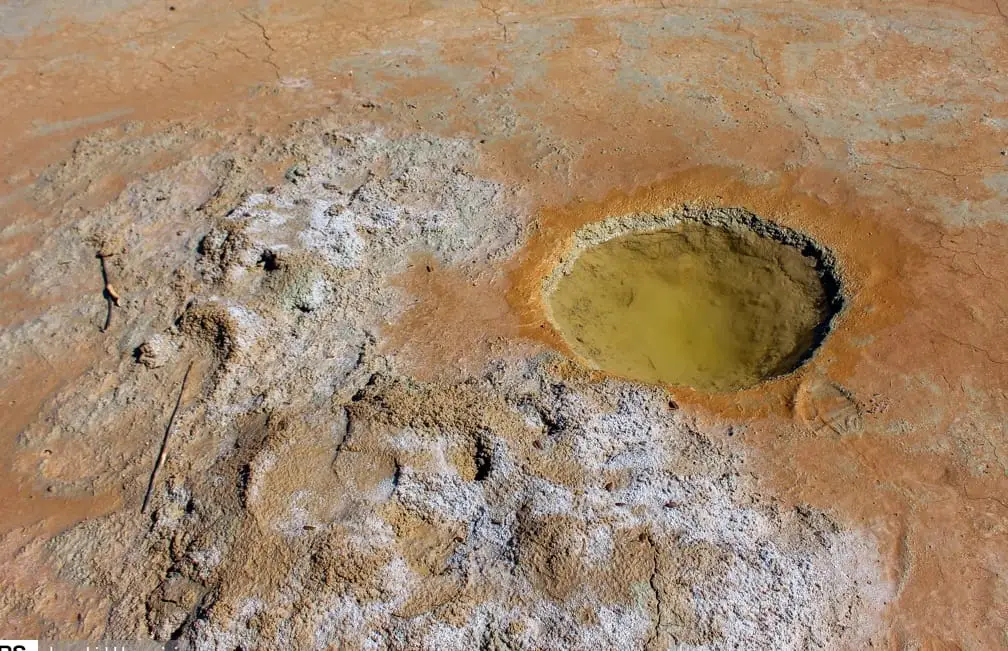
Isfahan’s river has run dry through the city for long periods, and the Gavkhouni wetland at its end — a wetland of international importance — has largely dried.
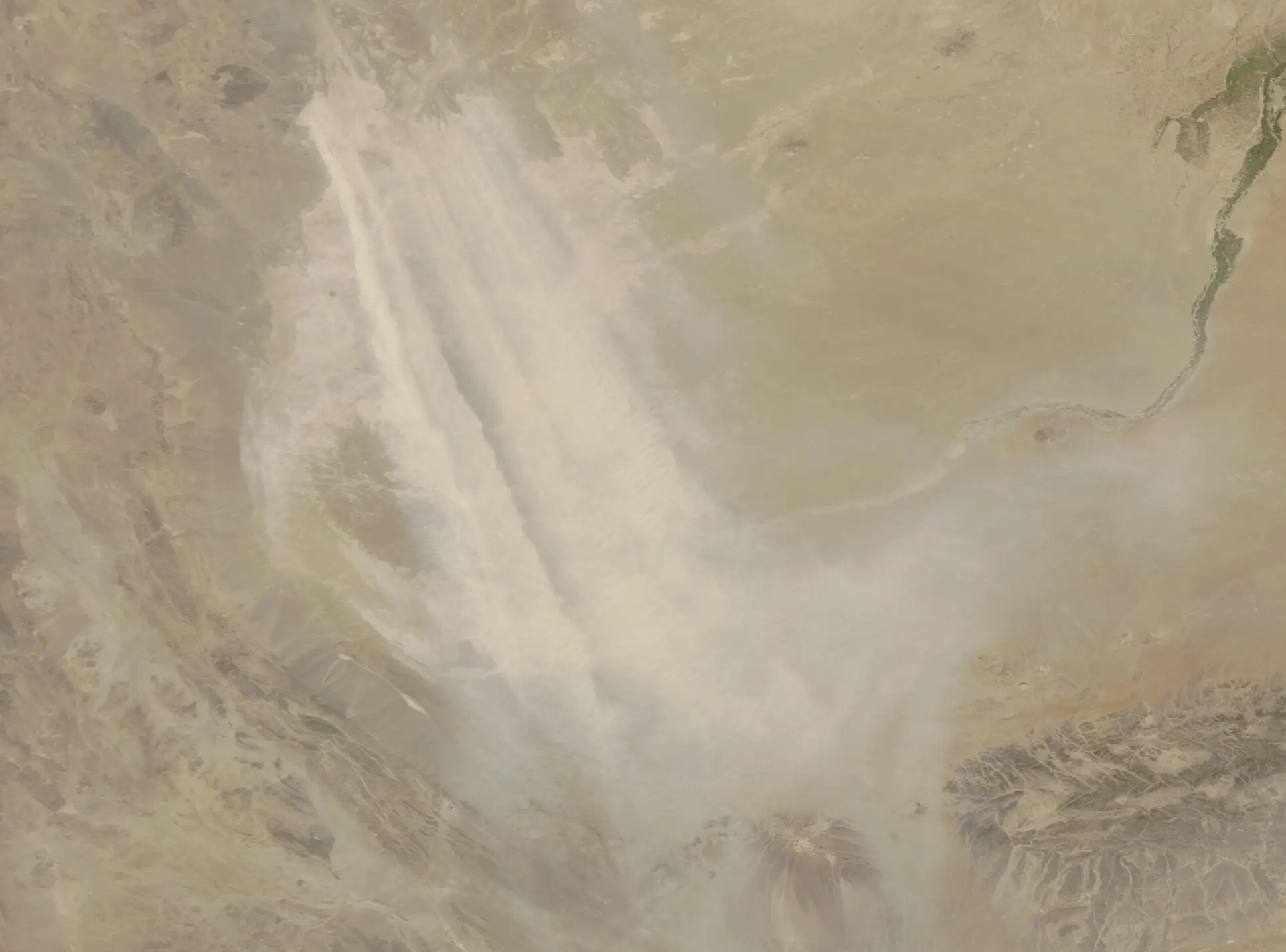
Dust lifted from dried lakebeds and degraded land travels hundreds of kilometres, crossing borders and filling the air people breathe.
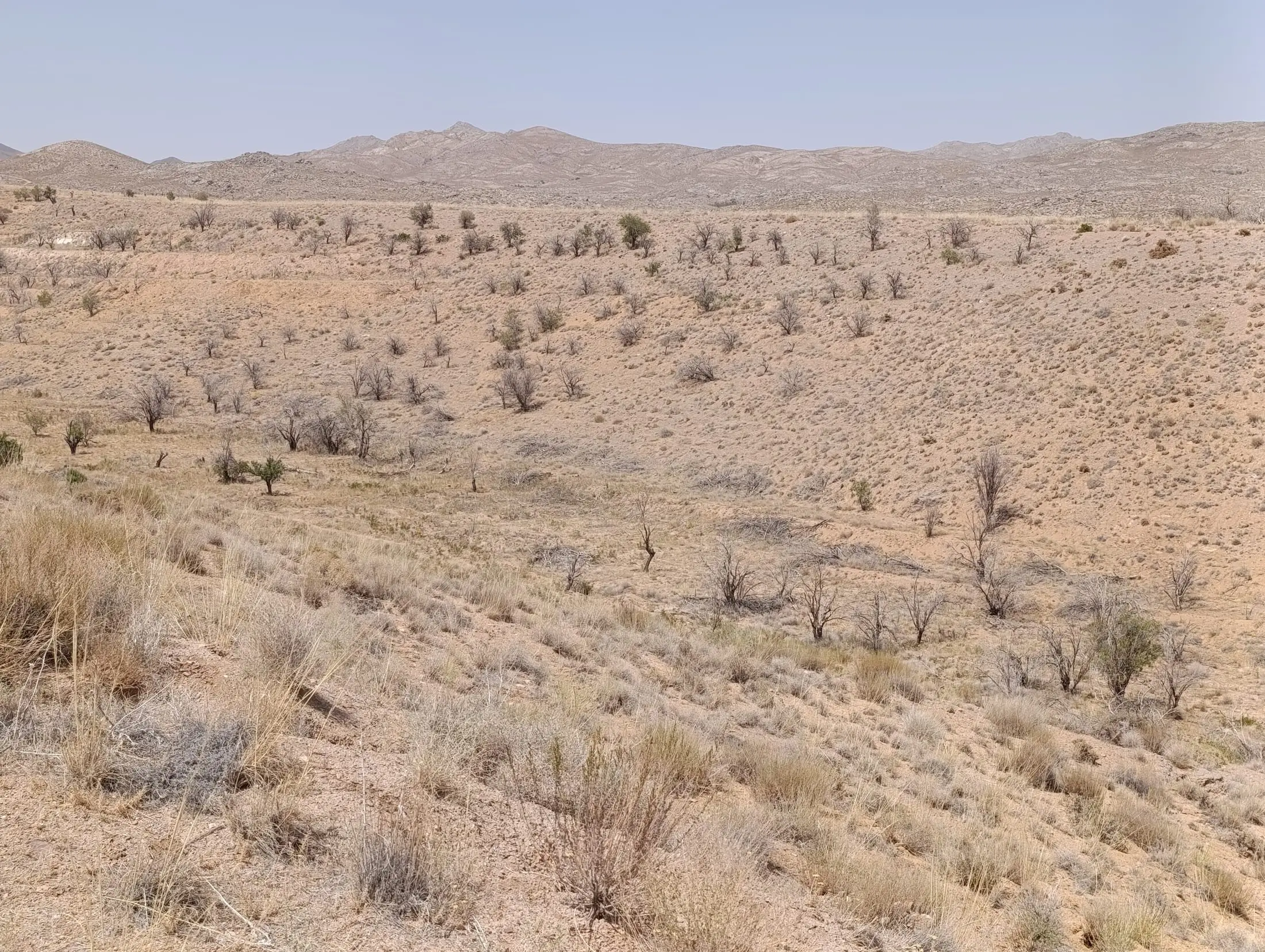
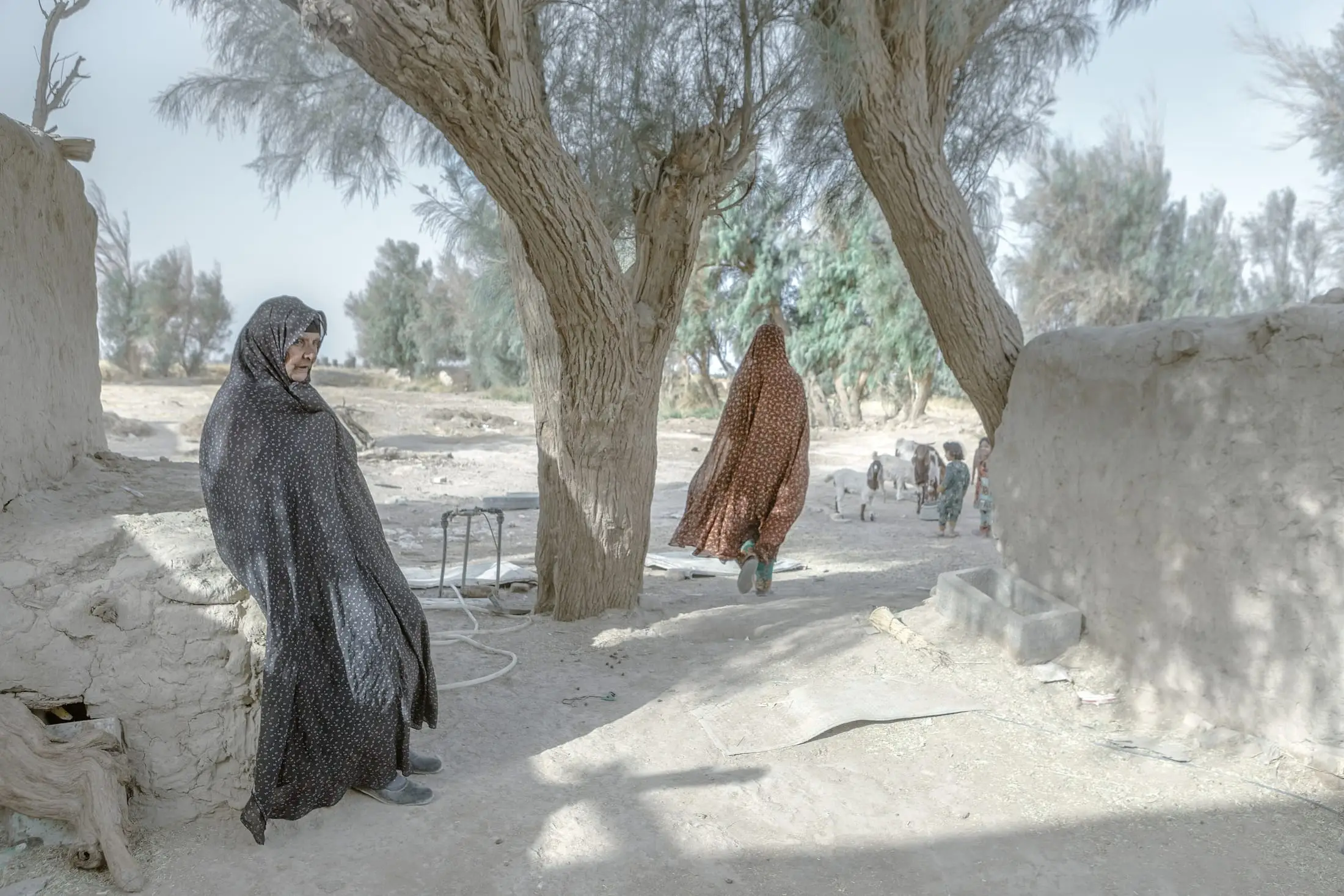
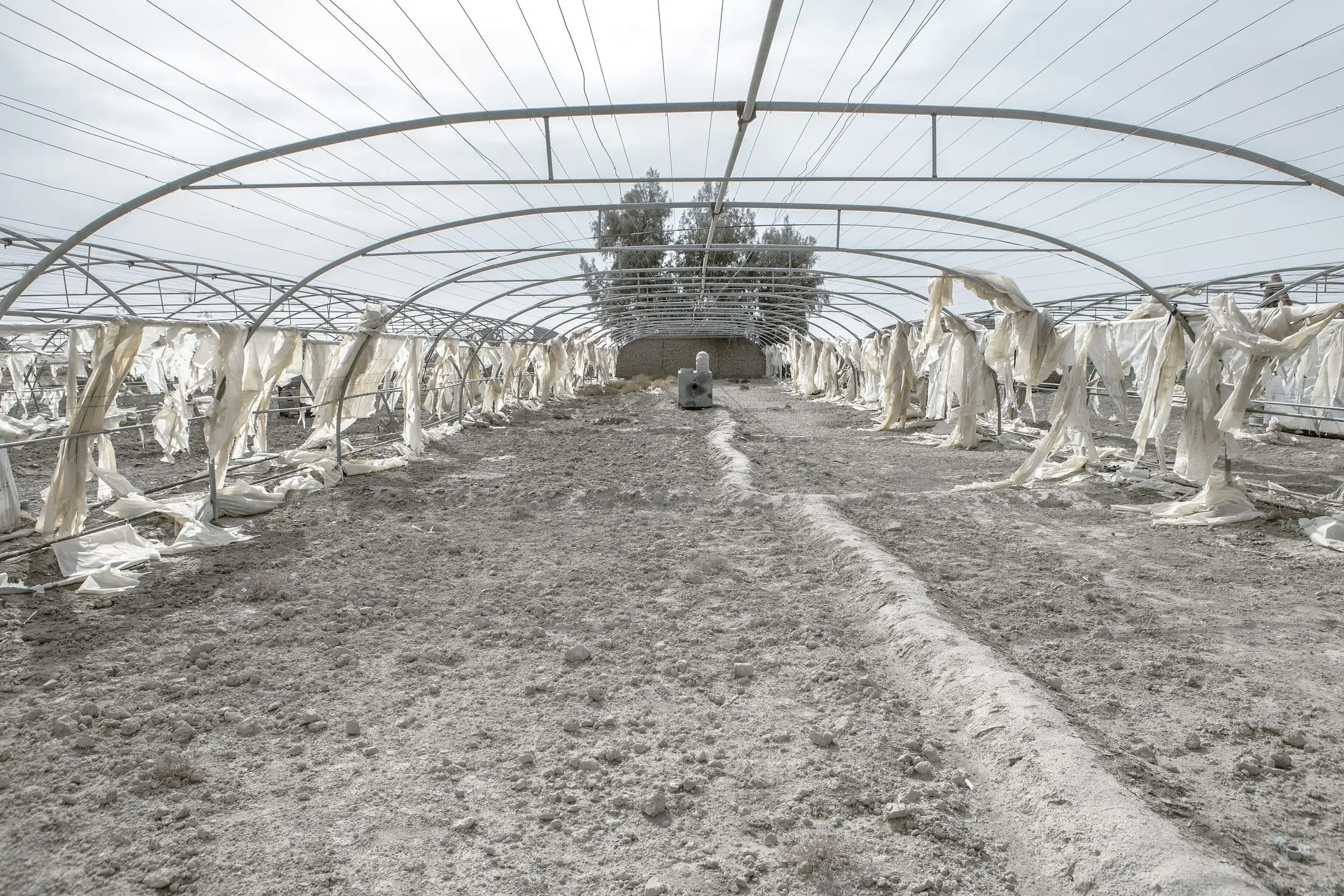
Drought and falling groundwater leave orchards and rangeland dying, and push families in farming villages to leave.
A lake in six dates
1971
The Ramsar Convention, the world’s first global treaty to protect wetlands, is signed in the Iranian city of Ramsar.
1976
Lake Urmia is designated a UNESCO biosphere reserve.
1995
The lake reaches its most recent peak. Over the next two decades it loses about 90% of its area.
2013
A national programme to restore Lake Urmia is launched.
2019
Torrential rains in 2018 and 2019 partly refill the lake.
2023
By autumn, the lake has almost completely dried out again.
We conduct and support independent studies, surveys and fieldwork — and publish what we find openly.
Workshops, seminars, conferences and public discussions that turn evidence into understanding.
We work with researchers, universities, community organisations and the public, in Canada and worldwide.
We follow the evidence to the decisions behind environmental harm, and insist on accountability.
Through the lens
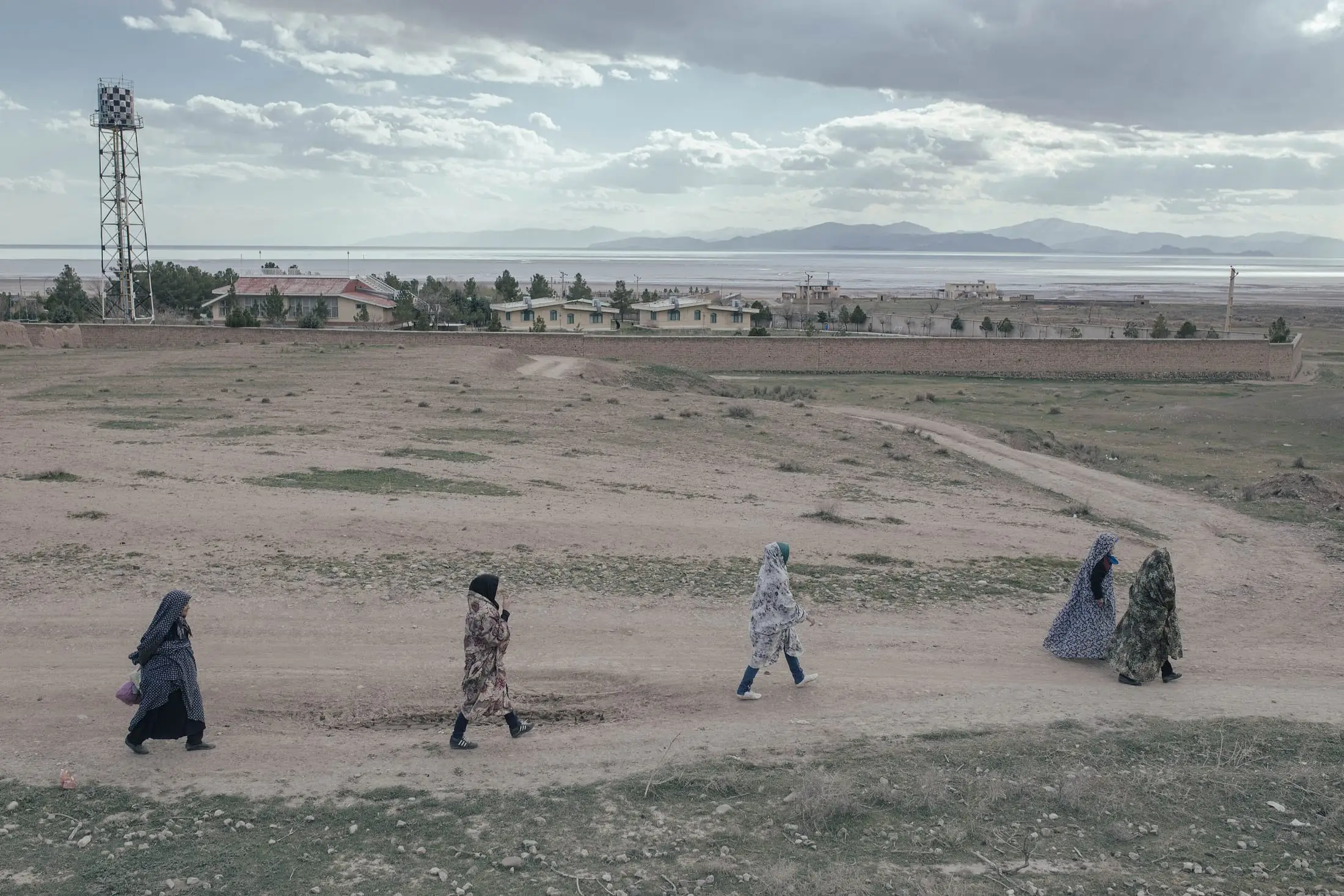
Documentary photography from Lake Urmia and the Hamoun wetlands — and the view from orbit.
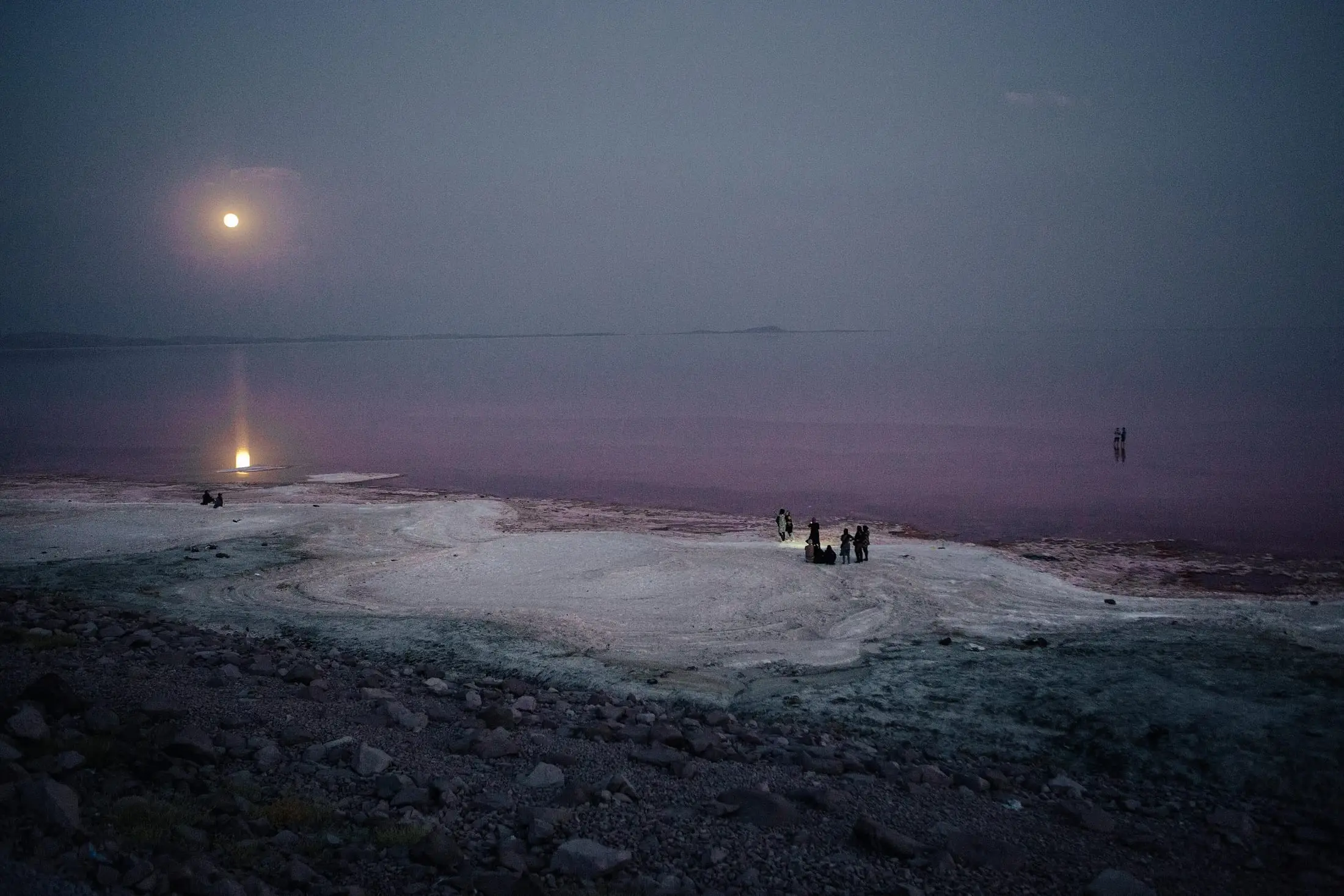
From HERA
An independent association to understand the link between environmental conditions and human displacement.
Read the statementJoin us
Become a founding member, join our research network, or simply receive our monthly letter.

