
Human
Human rights, dignity and the testimony of displaced people. They own their stories; they are not just subjects of research.


Research · Education · Accountability
When rivers run dry and wetlands disappear, people do not simply “migrate” — they are displaced. HERA uses evidence to ask why, and who should answer for it.
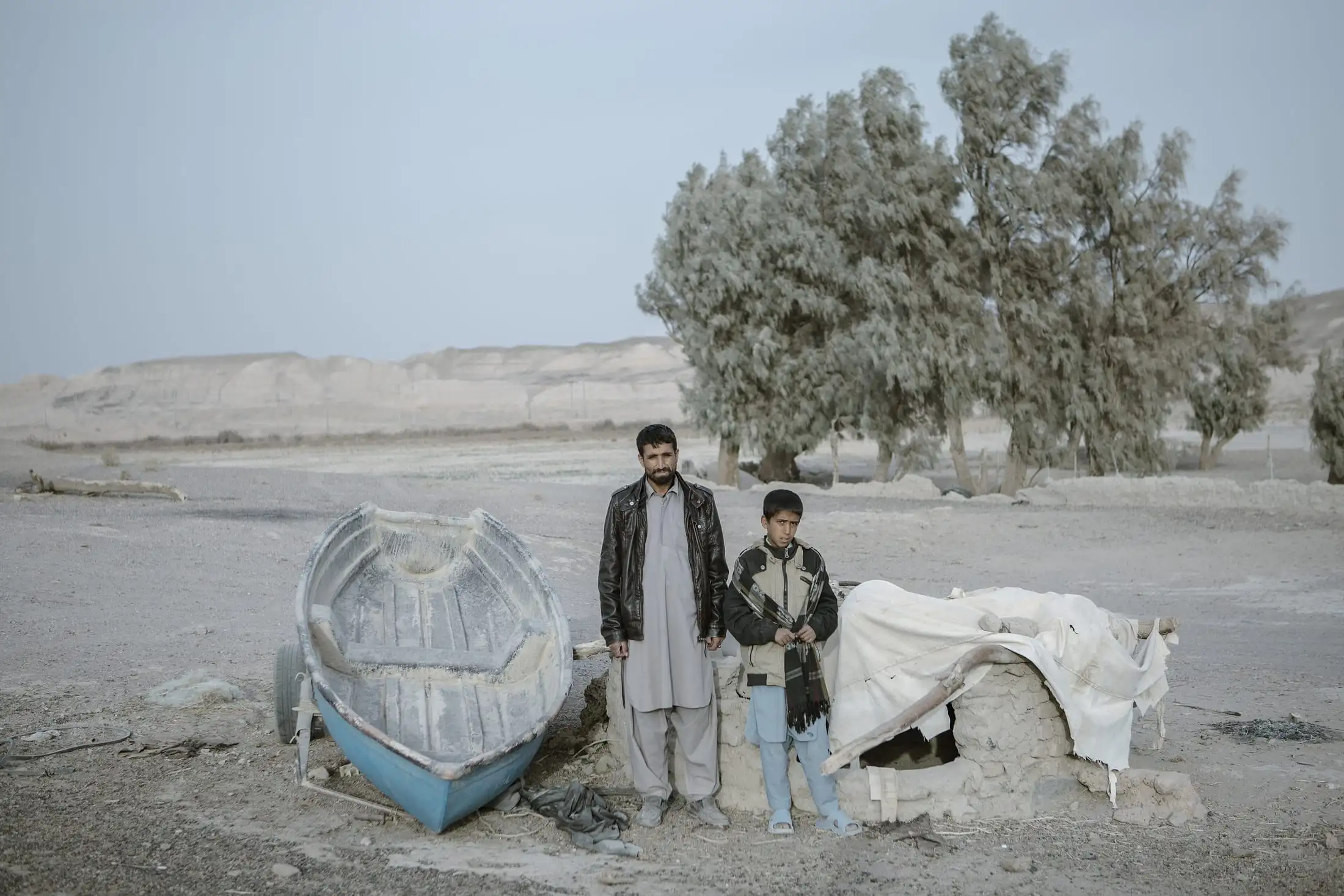
Hamoun wetlands, Sistan · Photo: Solmaz Daryani, CC BY-SA 4.0
When the land fails, people move. We ask why.
HERA was founded in Canada in October 2026 to study and explain one of the defining links of our time: the relationship between environmental conditions and human displacement — and the human rights and accountability questions that sit between them.
Why HERA
45.8million
internal displacements triggered by disasters in 2024 — the highest figure ever recorded.
Source: Internal Displacement Monitoring Centre (IDMC), Global Report 2025
up to40%
of the world’s land is already degraded — putting half of global GDP at risk.
216million
people could be forced to move within their own countries by 2050 because of climate change.
Four pillars
Each letter of HERA is one of the areas we work on.
Human rights, dignity and the testimony of displaced people. They own their stories; they are not just subjects of research.
Data and research on the degradation of water, soil, air and wetlands, and on the impacts of a changing climate.
Knowledge and education for communities living through crisis — and for the future that can still be built.
Following the evidence to the decisions behind environmental harm, and naming who is responsible — with proof.
First research focus
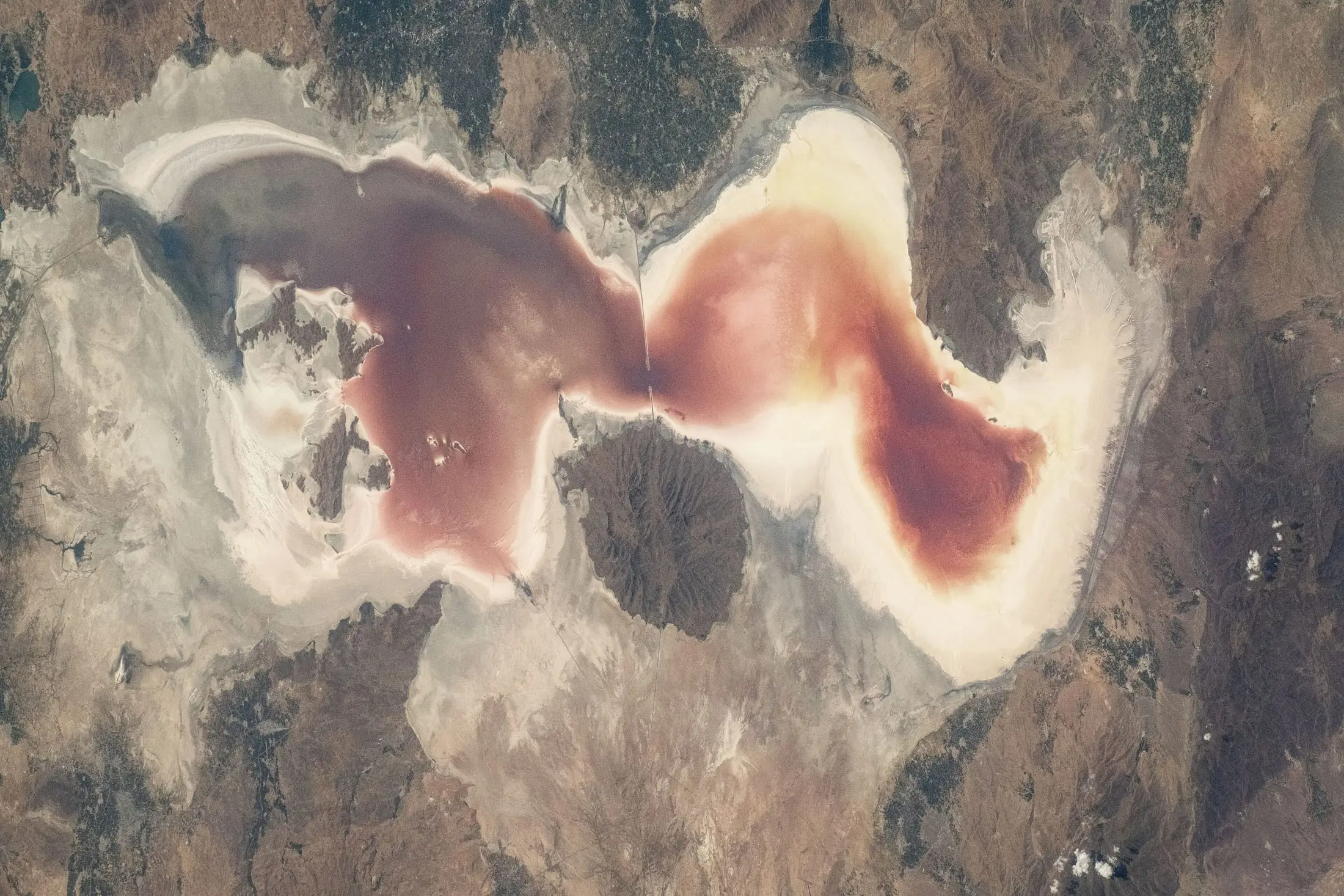
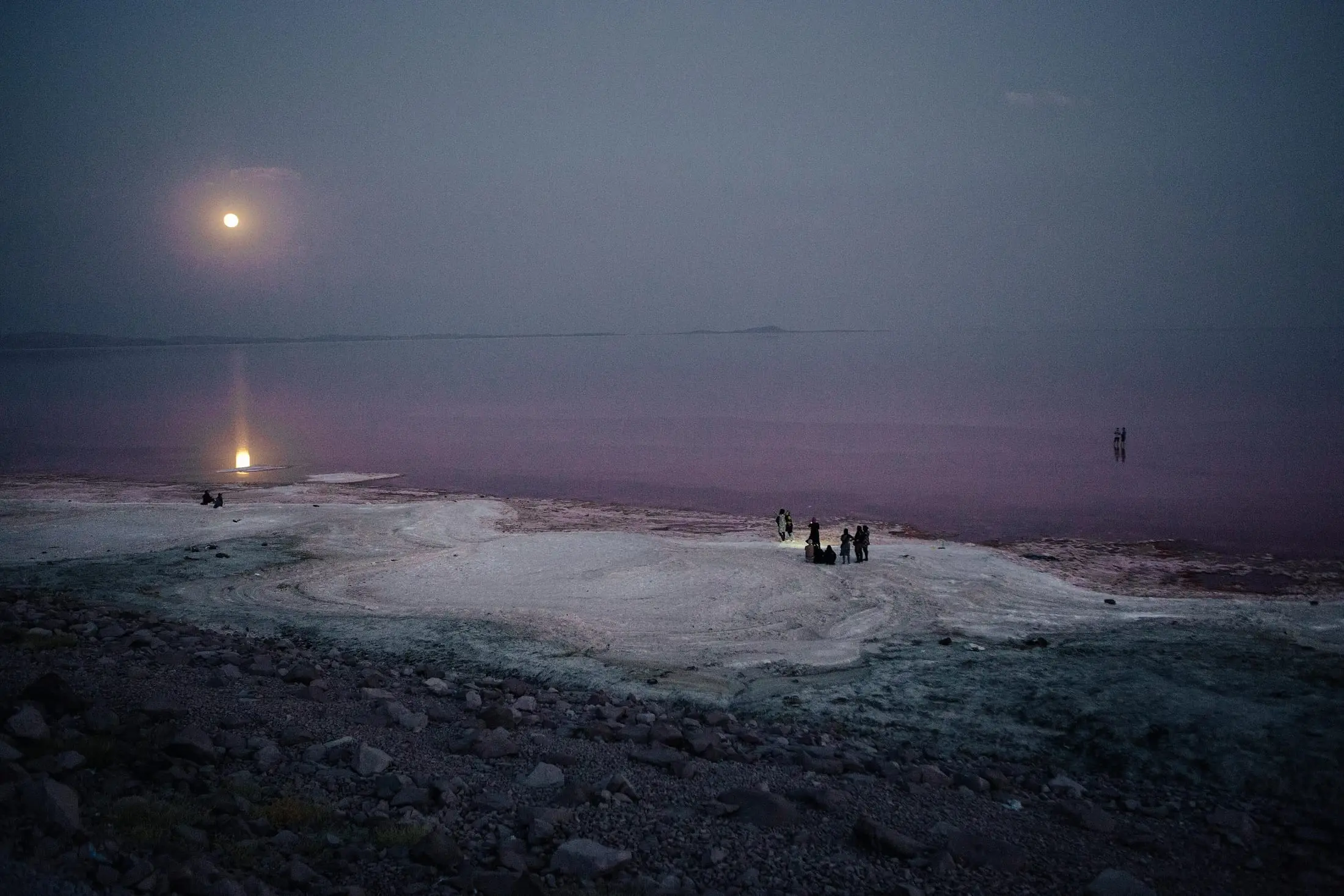
From Lake Urmia to the Hamoun wetlands, Iran is one of the clearest examples of how environmental collapse and human displacement feed each other. HERA’s mandate is global, but its first research programme begins where its founders know the ground best.
How we work
We conduct and support independent studies, surveys and fieldwork — and publish what we find openly.
Workshops, seminars, conferences and public discussions that turn evidence into understanding.
We work with researchers, universities, community organisations and the public, in Canada and worldwide.
We follow the evidence to the decisions behind environmental harm, and insist on accountability.
From HERA
An independent association to understand the link between environmental conditions and human displacement.
Read the statementJoin us
Become a founding member, join our research network, or simply receive our monthly newsletter. Members vote at the association’s general meetings.
).jpg)
